
"outer fruit"
1000 article(s) found
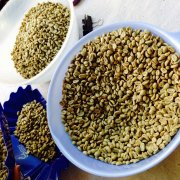
The growing environment of coffee trees evergreen trees of the subgenus Rubiaceae
The formation environment of coffee trees in botany, coffee trees belong to the evergreen trees of the subgenus Rubiaceae, and coffee beans, commonly known as coffee beans, are actually the seeds of the fruit of coffee trees, just because they are shaped like beans, so they are called coffee beans. Climate is the decisive factor for coffee cultivation. Coffee trees are only suitable for growing in the tropics or subtropics, so the zone between latitude 25 degrees south and north is generally called

Common extraction problems in the production of espresso Starbucks espresso often makes mistakes
The exchange of professional baristas please pay attention to the problem of Italian concentrated extraction mentioned in the last part of the coffee workshop (Wechat official account cafe_style). The following are more common examples: overextraction (Over-extraction) must first understand the concept of extraction rate, according to VST Coffee Refractometer (special refractometer for coffee, officially designated measurement for a number of coffee international competitions.

Learn about coffee berry picking-berry treatment-drying
Coffee berry picking-berry treatment-drying what we call coffee beans are actually the seeds of a cherry-like fruit. Coffee trees produce berries, called coffee berries, whose bright red color means they are ripe and ready to be picked. The fruit clustered on the branches. The outer skin (exocarp) of coffee berries is thick and bitter. However, the fruit (mesocarp) inside is sweet and has the texture of grapes.
Coffee bean treatment process: picking-berry treatment-drying
The coffee beans we are talking about are actually the seeds of a fruit similar to cherries. Coffee trees produce berries, called coffee berries, whose bright red color means they are ripe and ready to be picked. The fruit clustered on the branches. The outer skin (exocarp) of coffee berries is thick and bitter. However, the fruit (mesocarp) inside is very sweet and has the texture of grapes. And then there's parenchyma, which is like

Introduction of Rwanda Coffee Flavor producing area Lutexilo, West Province of Malaba Coffee
The biggest harvest season for Rwandan coffee is during the main rainy season, from March to the end of May. During the harvest season, farmers spend most of their day picking coffee fruits by hand. In the afternoon, farmers carry coffee fruits in traditional baskets made of banana leaves to a cleaning station a few hours away. The craftsman picks the best quality coffee fruit with crimson by hand.

What is the name of the peel on the outside of the coffee fruit? efficacy and function
What is the outer skin of the coffee fruit called? efficacy and function the coffee fruit is covered with a hard outer skin (cut skin), an inner layer of gelatinous pulp (pulp), an inner layer of endocarp (parchament), and a skin tightly wrapped around the seeds called silver skin, and the inside is wrapped in green seeds, that is, coffee beans. Seeds are usually in groups of two

Coffee bean coffee berry picking-berry treatment-drying
The coffee beans we are talking about are actually the seeds of a fruit similar to cherries. Coffee trees produce berries, called coffee berries, whose bright red color means they are ripe and ready to be picked. The fruit clustered on the branches. The outer skin (exocarp) of coffee berries is thick and bitter. However, the fruit (mesocarp) inside is very sweet and has the texture of grapes. And then there's parenchyma, which is like

What is honey treatment? Red honey, black honey, let's take a look at different honey-treated coffee.
Professional coffee knowledge exchange more coffee bean information please follow the coffee workshop (Wechat official account cafe_style) how much honey is there in this Costa Rican honey-treated coffee? It sounds garrulous, but you may be familiar with these coffees marked with honey treatment, sun exposure, and washing. You may also have heard of red honey and black honey. Let's take a look at different honey-treated coffees. What is honey treatment?
High-quality coffee bean treatment: picking-berry treatment-drying
The coffee beans we are talking about are actually the seeds of a fruit similar to cherries. Coffee trees produce berries, called coffee berries, whose bright red color means they are ripe and ready to be picked. The fruit clustered on the branches. The outer skin (exocarp) of coffee berries is thick and bitter. However, the fruit (mesocarp) inside is very sweet and has the texture of grapes. And then there's parenchyma, which is like
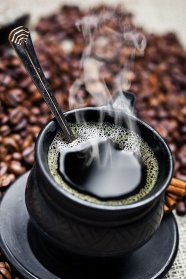
Introduction to the History of Coffee Tree species History of Botany
In fact, the Arabs began to grow coffee in 525 BC, and chewing fried coffee beans became popular in the Arab region. In 890 AD, Arab merchants sold coffee beans to Yemen, and Yemenis made coffee beans into drinks for the first time. In the 15th century, coffee was introduced into Europe, Asia and soon into America. By the 18th century, species were widely distributed in tropical and subtropical regions of the world.

What are the traditional processing methods of coffee beans? what are the characteristics of Starbucks washing treatment of coffee beans in Kenya?
Professional coffee knowledge exchange more coffee bean information Please pay attention to the coffee workshop (Wechat official account cafe_style) Coffee fruit usually has two seeds, the outer layer is covered by endocarp and pectin layer, and the outer layer is pulp and pericarp. The pulp of coffee fruit itself contains a lot of sugar. Treatment is simply a way to remove seeds from the fruit, which are found all over the world.
Coffee bean treatment process coffee bean picking-berry treatment-drying
The coffee beans we are talking about are actually the seeds of a fruit similar to cherries. Coffee trees produce berries, called coffee berries, whose bright red color means they are ripe and ready to be picked. The fruit clustered on the branches. The outer skin (exocarp) of coffee berries is thick and bitter. However, the fruit (mesocarp) inside is very sweet and has the texture of grapes. And then there's parenchyma, which is like
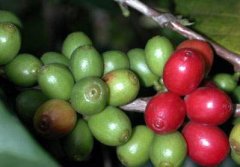
The processing process of coffee berries picking-berry treatment-drying
The coffee beans we are talking about are actually the seeds of a fruit similar to cherries. Coffee trees produce berries, called coffee berries, whose bright red color means they are ripe and ready to be picked. The fruit clustered on the branches. The outer skin (exocarp) of coffee berries is thick and bitter. However, the fruit (mesocarp) inside is very sweet and has the texture of grapes. And then there's parenchyma, which is like

Production conditions of Coffee trees Shijiazhuang Cafe
Fertilization was carried out in combination with plastic surgery within 1-2 days after planting. The fertilization of young coffee trees is mainly nitrogen fertilizer, while appropriate application of phosphorus and potassium fertilizer, in order to accelerate the formation of crown and promote the development of roots. Human and animal manure and green leaf retting fertilizer also have a good effect on the growth of young coffee trees. Coffee seedlings can be fertilized for the first time two months after planting, and then once every 1-2 months. Such as human and animal dung

Basic knowledge of coffee during the drying process of picking berries from coffee beans
The coffee beans we are talking about are actually the seeds of a fruit similar to cherries. Coffee trees produce berries, called coffee berries, whose bright red color means they are ripe and ready to be picked. The fruit clustered on the branches. The outer skin (exocarp) of coffee berries is thick and bitter. However, the fruit (mesocarp) inside is very sweet and has the texture of grapes. And then there's parenchyma, which is like

Introduction to the production process of Malaba Coffee in Rwanda A brief introduction to Chimere Manor
The biggest harvest season for Rwandan coffee is during the main rainy season, from March to the end of May. During the harvest season, farmers spend most of their day picking coffee fruits by hand. In the afternoon, farmers carry coffee fruits in traditional baskets made of banana leaves to a cleaning station a few hours away. The mechanic uses his hands to make the best quality coffee with crimson color.
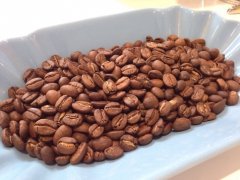
The production process of Rwandan coffee beans how is high-quality Rwandan coffee produced? Rwanda
The biggest harvest season for Rwandan coffee is during the main rainy season, from March to the end of May. During the harvest season, farmers spend most of their day picking coffee fruits by hand. In the afternoon, farmers carry coffee fruits in traditional baskets made of banana leaves to a cleaning station a few hours away. The mechanic uses his hands to make the best quality coffee with crimson color.

Why is it called honey treatment? What is honey treatment? Introduction to the flavor characteristics of honey-treated coffee
Honey treatment is a kind of half-sun treatment, in which the peel is removed from the ripe fruit, and the pods with flesh are moved outdoors for sun drying. After the outer pulp of the coffee bean is removed, there will be a layer of sticky gelatin. because the pods with pulp stick easily, they must be turned constantly to avoid mildew during drying; in addition, the drying time should not be too long to avoid fermentation.

Analysis on the treatment process of raw coffee beans: picking-berry treatment-drying
The coffee beans we are talking about are actually the seeds of a fruit similar to cherries. Coffee trees produce berries, called coffee berries, whose bright red color means they are ripe and ready to be picked. The fruit clustered on the branches. The outer skin (exocarp) of coffee berries is thick and bitter. However, the fruit (mesocarp) inside is very sweet and has the texture of grapes. And then there's parenchyma, which is like

The production process of Rwandan coffee beans introduces how high-quality Rwandan coffee is produced? Lou
The biggest harvest season for Rwandan coffee is during the main rainy season, from March to the end of May. During the harvest season, farmers spend most of their day picking coffee fruits by hand. In the afternoon, farmers carry coffee fruits in traditional baskets made of banana leaves to a cleaning station a few hours away. The mechanic uses his hands to make the best quality coffee with crimson color.